CV & Career Advice · For job seekers
A LinkedIn Profile That Gets Recruiter Messages in the GCC
Recruiters search LinkedIn before they post ads. The profile fields that drive search ranking, and what makes a recruiter click message instead of skip.
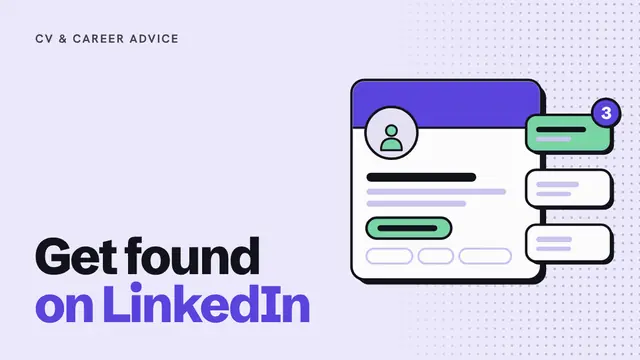
Recruiters find candidates through LinkedIn search filters: title keywords, location, skills and open-to-work status. A profile that ranks — accurate headline with target keywords, GCC location set correctly, skills matching your target role — gets messages before jobs are ever advertised.
On this page
The headline does the heavy lifting#
Recruiter searches match your headline and title fields hardest. "Senior Sales Manager | B2B SaaS | UAE & KSA" ranks; "Passionate about growth" doesn’t. Use the words recruiters would type.
Build it deliberately: your actual level and function, your specialism, your market — separated by pipes, no slogans. If you’re searching for something different from your current title, the headline can carry both: "Finance Manager | Moving into FP&A Leadership | UAE". The test for every word: would a recruiter type this into a search box? If not, it’s costing space that ranking words could use.
Location and openness settings#
Set your location to your target market — recruiters filter by it first. "Open to work" visible to recruiters only is safe from your employer and doubles inbound contact.
Two details candidates miss: LinkedIn lets you set a target location different from where you sit — someone relocating to Dubai should set Dubai, because recruiters filtering "United Arab Emirates" will otherwise never see them. And inside open-to-work preferences, specify the titles and markets you want; recruiters see those preferences, and precise ones generate precise approaches instead of spam.
Experience that mirrors your CV#
Recruiters cross-check LinkedIn against submitted CVs; mismatched dates or titles create doubt. Keep both aligned, with 2–3 quantified achievements per role.
The skills section deserves the same rigour as experience: recruiters filter by skills, so list the specific competencies of your target role (the tools, methods and domains its job ads mention) rather than generic virtues like "teamwork". Pin the three most important so they show first, and remove legacy skills that pull your profile toward the career you’re leaving rather than the one you want.
- Dates and titles identical to your CV — recruiters check.
- 2–3 quantified achievements per role, not duty lists.
- Skills matched to target-role job ads; top three pinned.
- A professional photo and a specific About section: what you do, proof, what’s next.
Signals that trigger the message#
A professional photo, an About section stating what you do and want next, and recent activity (comments, shares in your field) tell a recruiter the profile is alive and the person is reachable.
Activity is lighter-weight than people assume: two or three thoughtful comments a week on posts in your field keeps the profile visibly alive without requiring you to become a content creator. What recruiters are really checking is reachability and currency — a profile with no photo, no activity since 2023 and an empty About section reads as abandoned, and abandoned profiles don’t get messages regardless of how well they rank.
Key takeaways
- Write the headline with recruiter search terms, not slogans.
- Set location to your target market; enable recruiter-only open-to-work.
- Keep LinkedIn and CV dates identical.
- Recent activity signals reachability.
Frequently asked questions#
Does LinkedIn Premium help a job search?
Marginally — mainly for InMail and applicant insights. A strong free profile matters far more.
Should I connect with recruiters directly?
Yes — with a short personalised note stating your function and market. Specialist recruiters accept relevant connections readily; their network is their inventory.
Sources and further reading#
Put this into practice
UAE Gratuity Calculator
UAE end-of-service gratuity worked to the legal formula, with the 24-month cap applied.
How to Spot and Avoid Recruitment Scams Targeting GCC Job Seekers
Fake job offers, fee-charging "agents" and identity-theft schemes target GCC job seekers daily. The red flags and the rules that keep you safe.
Published 10 October 2026. Read our editorial policy or report a correction.

Nas Talent Career Team
Career advisers covering CVs, interviews, offers and job searches in the GCC market.